

Setting up and operating a company in Kenya, it is crucial to understand the various legal documents and forms required by the Companies Act, 2015. Among the critical forms...
Transfer pricing in Kenya refers to the pricing rules applied to transactions between related entities, ensuring that these transactions are conducted at fair market value, also known as the...
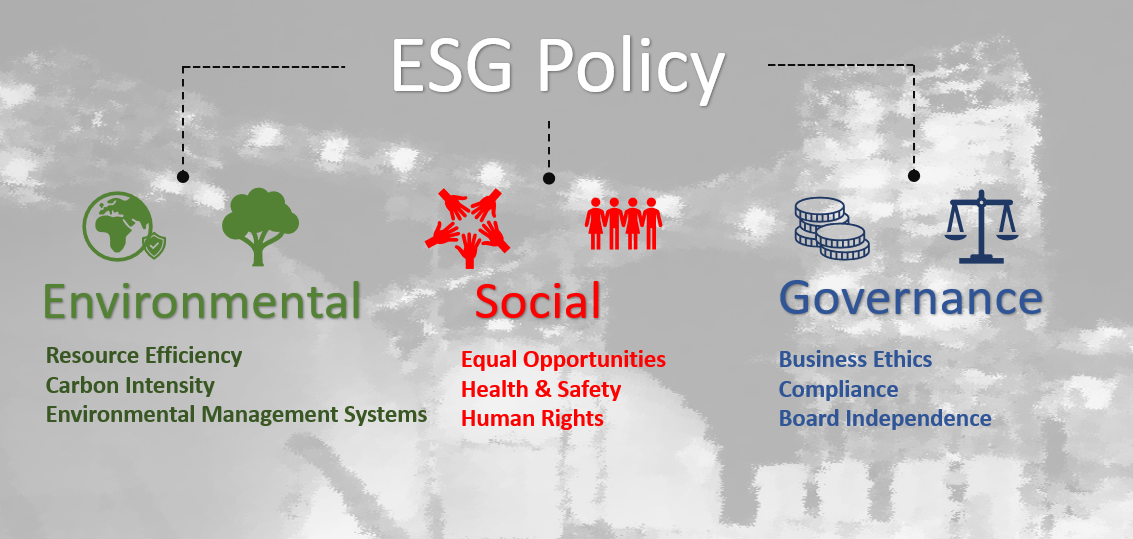
Sustainability reporting in Kenya is the practice of disclosing a company’s environmental, social, and governance (ESG) performance, demonstrating its commitment to sustainability. This form of reporting helps businesses measure...
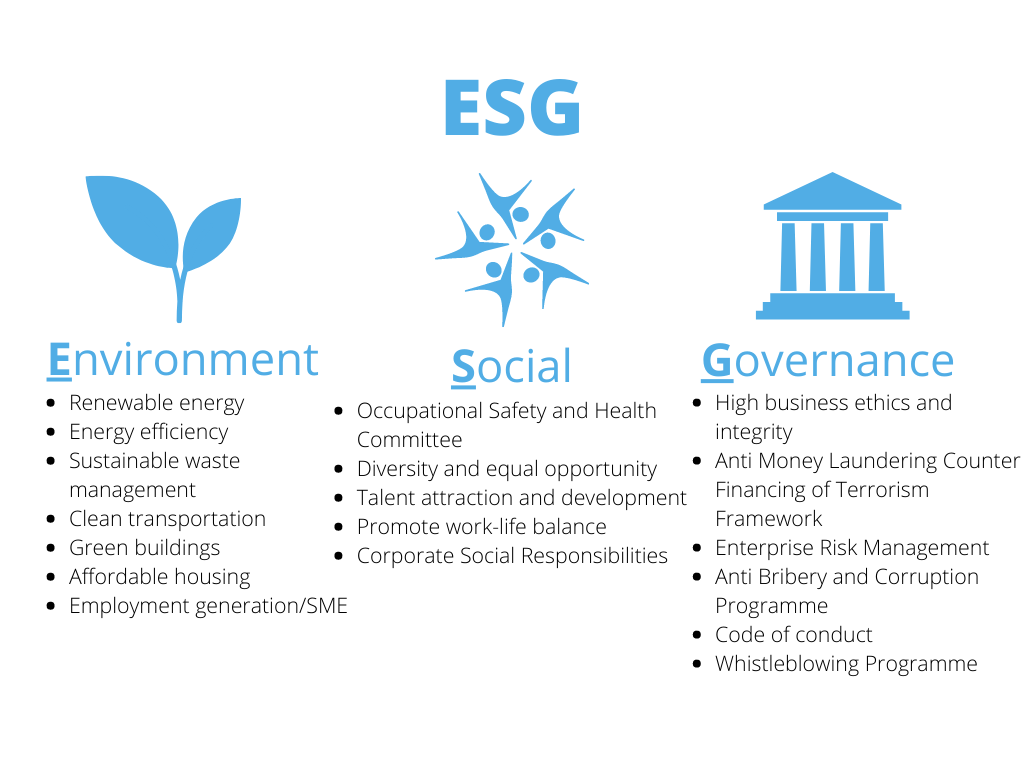
7 essential ESG must-have policies In today’s evolving business environment, ESG (Environmental, Social, and Governance) has become a critical focus for organizations globally. Companies are increasingly expected to adopt...
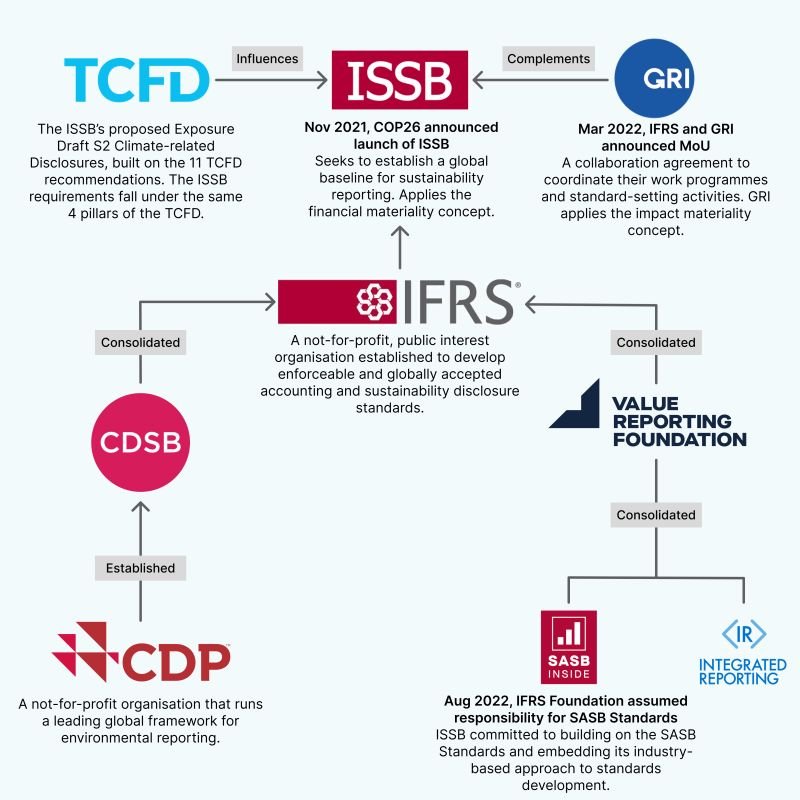
ESG reporting standards in Kenya are frameworks and guidelines that businesses use to disclose their environmental, social, and governance (ESG) performance. These standards enable companies to provide transparent and...
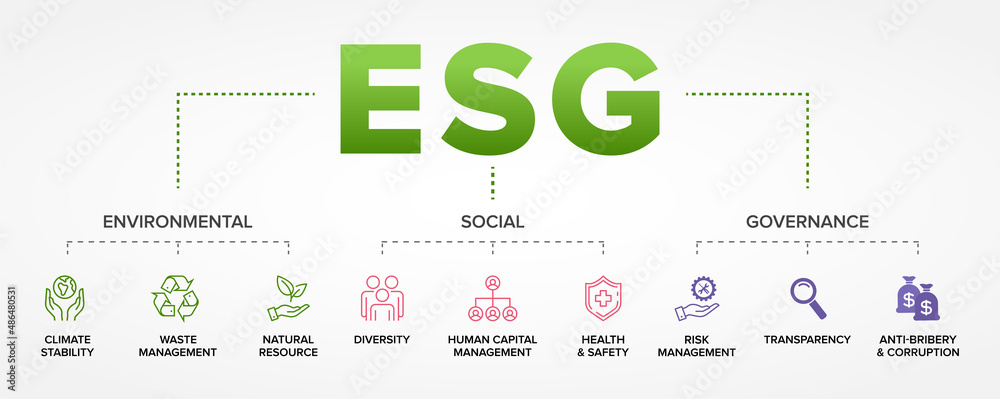
Environmental, Social, and Governance (ESG) refers to the three central factors used to evaluate a company’s commitment to sustainability and responsible business practices. ESG meaning in business is particularly...

The role of a company secretary in Kenya is integral to the smooth functioning of any organization. A company secretary ensures that the company complies with legal obligations, maintains...
Introduction to the Appointment and Removal of Directors The removal of directors in company law Kenya plays a crucial role in corporate governance. Understanding how to appoint and remove...
Introduction to Company Registration in Kenya Company registration in Kenya is a crucial step for anyone looking to establish a business in the country. With the advent of online...
Climate Change and ESG Reporting in Kenya Climate change has become a pressing global issue, and Kenya is no exception. As environmental concerns escalate, businesses and organizations in the...