

Internal audit in Kenya involves an independent evaluation of an organization’s internal controls, risk management, and governance processes. Unlike external audits, which focus on financial statements, internal audits examine...
IFRS S1 and IFRS S2 adoption in Kenya. In Kenya, adopting international financial reporting standards (IFRS) is essential for businesses aiming to maintain compliance and global competitiveness. With the...
Fraud is an ever-present threat to businesses of all sizes. Every year, companies worldwide lose billions to fraudulent activities. Whether it’s employee fraud, supplier scams, or cybercrime, the financial...
Common tax mistakes made by entrepreneurs can lead to significant financial losses and legal troubles. Entrepreneurs often juggle multiple responsibilities, making tax management challenging. However, avoiding these mistakes is...
Estate and inheritance tax planning in Kenya is essential for safeguarding your assets and ensuring a smooth transfer to your beneficiaries. Proper planning not only minimizes the tax burden...

Taxation is an integral part of any country’s economy, and Kenya is no exception. The Kenyan government relies heavily on taxes to finance its budget, provide public services, and...

Register a Business in Kenya as a Foreigner: A Step-by-Step Guide Kenya offers immense opportunities for foreign investors looking to start a business. Understanding the registration process is crucial...
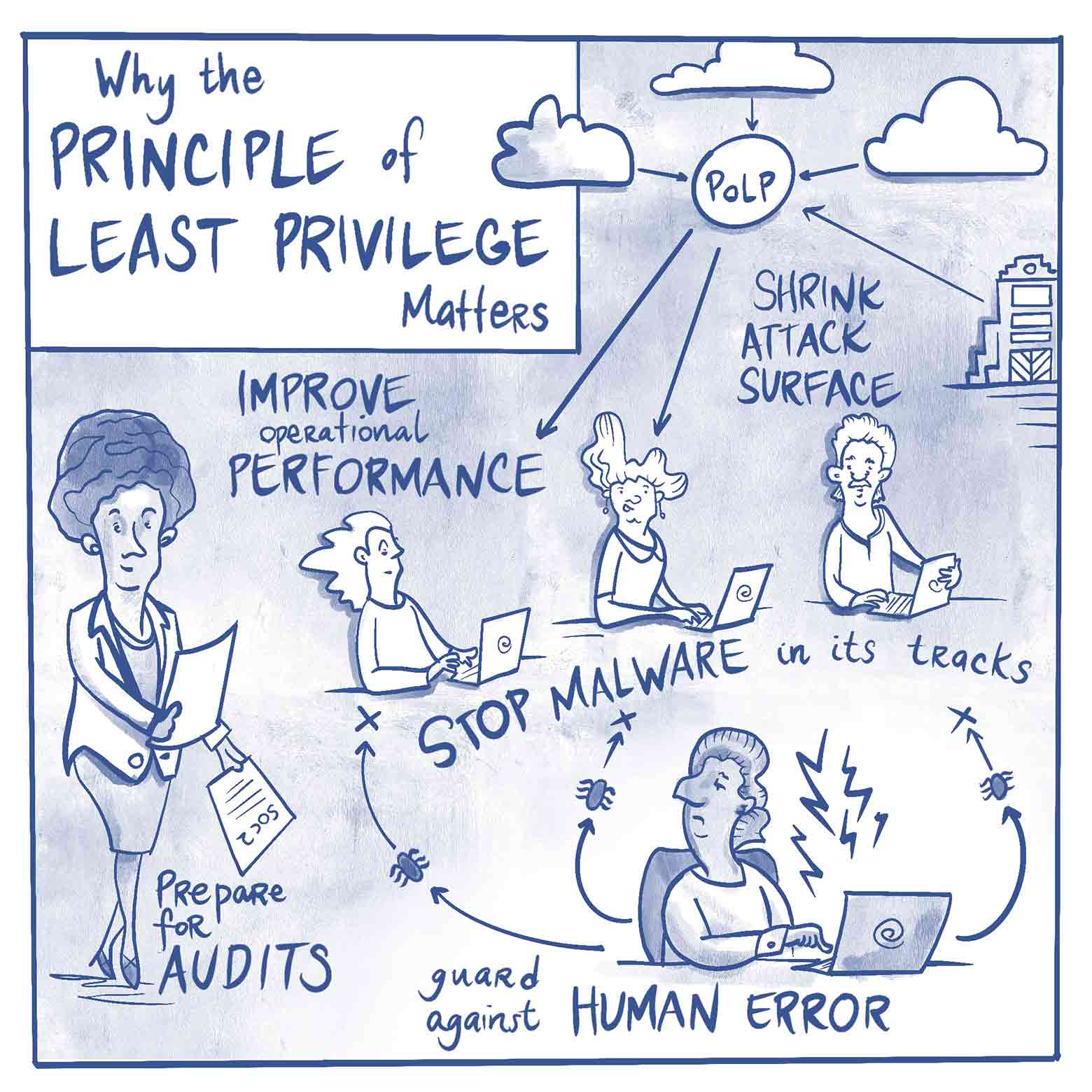
The Principle of Least Privilege (POLP) POLP states that individuals or systems should only have the minimum access needed to perform their tasks. This limits the risk of unauthorized...
Accounting system for SMEs is necessary regardless of the industry, in order to track and manage financial transactions. Some of the key reasons why an accounting system is necessary...

Capital Gains Tax (CGT) was reintroduced in Kenya through the Finance Act 2014, amending the 8th Schedule of the Income Tax Act Cap 470. CGT applies to the sale...